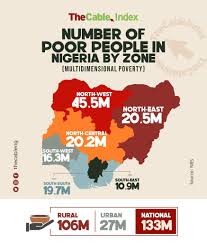
Poverty is a significant issue in Nigeria, with a large number of people living below the poverty line. According to recent data, around 40% of the population, which is approximately 83 million people, are considered to be living in poverty. This means they struggle to meet their basic needs, such as food, shelter, and healthcare. Efforts are being made to address this issue through various poverty alleviation programs and initiatives. It’s important to raise awareness and support those in need to create a more equitable society.
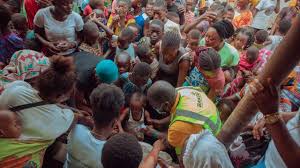
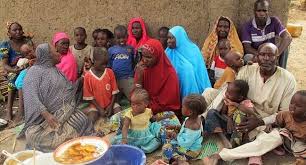
! Poverty in Nigeria is a significant issue that affects millions of people. According to recent statistics, around 40% of the population, which is approximately 83 million people, live in poverty. This means they struggle to access basic necessities like food, clean water, healthcare, and education.
The poverty rate is higher in rural areas compared to urban areas, with about 52% of rural dwellers living in poverty. Additionally, the poverty rate is higher in the northern regions of Nigeria compared to the southern regions.
Unemployment also contributes to poverty in Nigeria. The unemployment rate stands at around 33%, with a higher rate among young people. Limited job opportunities and underemployment make it challenging for individuals and families to escape poverty.
It’s important to address these challenges by implementing strategies such as creating more job opportunities, improving access to education and vocational training, and providing social welfare programs. By focusing on these areas, we can work towards reducing poverty and improving the lives of Nigerians. 🇳🇬💪
To tackle poverty in Nigeria, it requires a comprehensive approach involving multiple stakeholders. Here are a few strategies that can make a difference:
1. Economic Empowerment: Promote job creation and entrepreneurship by providing skills training, access to capital, and business support to individuals and communities.
2. Education and Skills Development: Enhance access to quality education and vocational training programs, equipping people with the skills needed for better employment opportunities.
3. Social Safety Nets: Establish social welfare programs that provide financial assistance, healthcare, and other essential services to vulnerable populations, ensuring a basic standard of living.
4. Agricultural Development: Invest in the agricultural sector to boost food production, increase farmers’ income, and improve rural livelihoods.
5. Infrastructure Development: Improve access to basic infrastructure like roads, electricity, and clean water to stimulate economic growth and enhance living conditions.
6. Women Empowerment: Promote gender equality and empower women by providing equal access to education, healthcare, and economic opportunities.
7. Good Governance: Enhance transparency, accountability, and the rule of law to combat corruption and ensure efficient utilization of resources for poverty reduction initiatives.
8. Collaborative Partnerships: Foster partnerships between the government, civil society organizations, and the private sector to leverage resources, expertise, and knowledge for effective poverty alleviation efforts.
By implementing these strategies and working together, we can make progress in reducing poverty and improving the lives of people in Nigeria.

 O! SPORT